A Note on Valentine’s Day
Est. 5th Century · Observed Worldwide
On one day a year, the world pauses — and decides to say what it usually leaves unsaid.
♡ · ♡ · ♡
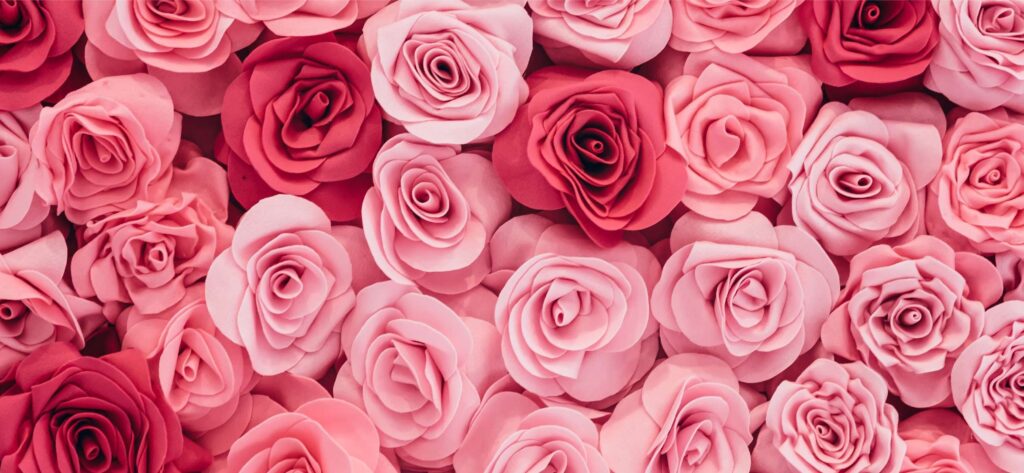
Love, Made Visible
Valentine’s Day — observed on February 14th — is a day set aside for expressing affection. It began as a feast day in the Christian calendar and, over many centuries, became something broader: a global permission slip to say the things we mean but rarely manage to voice out loud.
While romantic love is at its center, Valentine’s Day has always been larger than couples. It celebrates the love between friends, the warmth between family members, and — increasingly — the quiet, necessary practice of turning kindness toward yourself. The occasion has never really been about red hearts and ribbons. It’s about the willingness to be seen caring for someone.
“Love is not about grand gestures. It is about the small moments, the kind words, and the consistent presence of someone who truly chooses you.”
The History
Where Valentine’s Day Comes From
The festival’s origins are layered — part Christian martyrdom, part Roman ritual, part medieval poetry. The most enduring legend belongs to Saint Valentine, a Roman priest who defied Emperor Claudius II by secretly performing marriages for soldiers who had been forbidden to wed. He was imprisoned, and on the eve of his execution, he sent a note to his jailer’s daughter signed simply: “from your Valentine.” That phrase has never quite gone away.
Another thread traces Valentine’s Day to Lupercalia, an ancient Roman fertility festival held in mid-February, involving rituals of love and pairing. When Pope Gelasius I Christianised the Roman calendar in the 5th century, the feast of Saint Valentine overlapped with this older celebration — and the association between the date and romance was sealed.
It was Geoffrey Chaucer, in 14th-century England, who first linked Saint Valentine’s Day explicitly to romantic love in his poetry. By the 18th century, the exchange of handwritten love notes was commonplace in Britain; by the 19th, mass-produced cards had turned the tradition into an industry. The emotion, however, predates all of it.
The note signed “from your Valentine” — written in a prison cell, never delivered — may be the most enduring love letter never read.
1B+ Valentine’s Day cards exchanged each year — the second most popular card-sending occasion after Christmas.
58M Pounds of chocolate purchased for Valentine’s Day annually in the US alone. The tradition of gifting chocolate began in the 1800s.
5th C: The century in which Pope Gelasius formally established the Feast of Saint Valentine, anchoring the date in the Christian calendar.
Around the World
How Different Cultures Celebrate
While February 14th is recognized globally, the way love is expressed on that day varies enormously. What’s universal is the impulse — to mark affection, to make it tangible, to give it some form beyond feeling.
Japan: Women give chocolate to men on February 14th. A month later, on White Day (March 14th), men return the gesture — ideally with a gift of greater value.
UK: Anonymous cards to secret admirers remain a strong tradition. The mystery is part of the romance — some cards arrive without signatures on purpose.
France: The emphasis falls on presence over presents — long meals, handwritten letters, and time spent together without distraction.
South Korea: Couples celebrate with gifts and dinners, but February 14th is also one of several “love days” — a calendar that includes Black Day on April 14th, when singles eat black bean noodles together.
Brazil: Brazil’s “Dia dos Namorados” (Lovers’ Day) falls on June 12th rather than February 14th — a date chosen to avoid proximity to Carnival. It’s celebrated with music, gifts, and couple’s outings.

The Traditions
Gifts, Gestures & What They Mean
The most iconic Valentine’s gifts carry symbolic weight that outlasted the fashions that introduced them. Red roses were associated with Venus, Roman goddess of love, centuries before florists began charging triple on February 14th. Chocolate became a Valentine’s gift in the Victorian era, when Richard Cadbury designed the first heart-shaped box. These associations have lasted because the gifts say something that words sometimes can’t.
Red Roses
The universal symbol of romantic love, unchanged for centuries.
Chocolate
Sweet, indulgent — and a Victorian tradition that never went out of style.
Handwritten Notes
The oldest tradition. Still the most personal, and perhaps the most meaningful.
Jewelry
A lasting token — something to be worn, and remembered by.
A Shared Meal
No gift says more than time given freely, without distraction.
Shared Memories
A photo album or scrapbook — evidence of a life built together.
A Note on Simplicity
The most remembered Valentine’s gestures are rarely the most expensive. A handwritten letter left on a kitchen table. A meal cooked from memory. A text sent at exactly the right moment. Love is less about the gift than the attention that chose it.
The Bigger Picture
Love Beyond Romance
Valentine’s Day has always been larger than couples — though it took a while for the world to catch up. Increasingly, the day is understood as an opportunity to acknowledge all the forms of love that sustain a life: the friendship that has lasted longer than most relationships, the sibling who showed up without being asked, the version of yourself you’re slowly learning to be kinder to.
For those without a romantic partner on February 14th, the day need not carry weight. There is something genuinely worthwhile in spending it with a friend, calling someone you’ve been meaning to call, or simply pausing to appreciate being alive in a world where love, in its many forms, is not actually rare.
Romantic love gets the roses. But the loves that hold a life together — friendship, family, quiet loyalty — deserve at least as much recognition.
Happy Valentine’s Day.
May you say what you’ve been meaning to say. May the people who matter to you know it. And may the love you give find its way back to you.
♡
A celebration of love in all its forms.
February 14th · Observed everywhere worth being.